


October is Wool Month, an annual celebration led by the Campaign for Wool. In 2026, the campaign is highlighting the people, places and skills behind wool -a natural, renewable, durable and versatile fibre. It is the perfect time to explore Samuel Marsden, Farsley and the global history of Australian Merino wool.
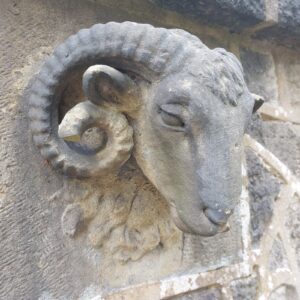
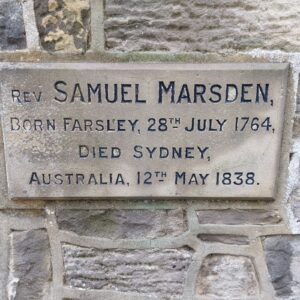
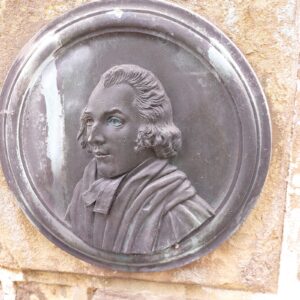
Born in Farsley, West Yorkshire, in 1764, the Reverend Samuel Marsden became an important, if complex, figure in the development of Australia’s Merino wool industry and Yorkshire’s fine worsted trade. His local connection is commemorated by the Samuel Marsden memorial on Town Street, which features a merino ram’s head and a portrait of Marsden.
In 1793, Marsden sailed for New South Wales with his wife, Elizabeth, aboard the William. The difficult 171-day voyage travelled via Brazil. Elizabeth gave birth to their daughter Anne shortly before the family reached Port Jackson, now Sydney Harbour, and settled at Parramatta, around 24 kilometres (15 miles) west of central Sydney.
Marsden later established sheep flocks in Australia. When he returned to England in 1807, he brought fleeces from his own hardy stock. The wool was manufactured into fine worsted cloth at Park Mills in Rawdon, creating a direct link between Australian wool production and Yorkshire’s textile industry.
According to the story commemorated in Farsley, Marsden wore a suit made from this cloth when he met King George III. Impressed by its quality, the King gave him five Spanish Merino sheep from the royal flock at Windsor to take back to Australia. The sheep flourished in the climate and contributed to the growth of the Australian Merino wool industry.
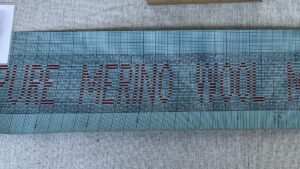
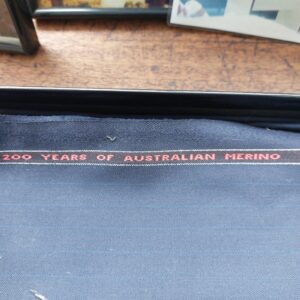
By the 1880s, fast sailing ships were carrying Australian Merino wool to Hull in passage times of around 73 to 77 days. The fibre then travelled to textile mills across Yorkshire, including Sunny Bank Mills in Farsley, where it became an important ingredient in the fine worsted suit cloth for which the Mills was renowned. These global trade routes connected Australian sheep farms with generations of skilled Yorkshire textile workers.
The history of Samuel Marsden and Merino wool is not straightforward. Marsden’s journals and letters were written for particular audiences, while some witness accounts were recorded years after the events they describe. Reading these sources critically helps us consider both the celebrated account of his achievements and the more complex colonial and social history behind them.
Today, Samuel Marsden’s story connects Farsley’s local heritage with a wider history of migration, maritime travel, colonial expansion and textile manufacturing. From the Samuel Marsden memorial in Farsley to the Merino wool once woven at Sunny Bank Mills, it traces the remarkable journey of wool from Yorkshire to Australia—and back again.
Tags
Museum & Archive